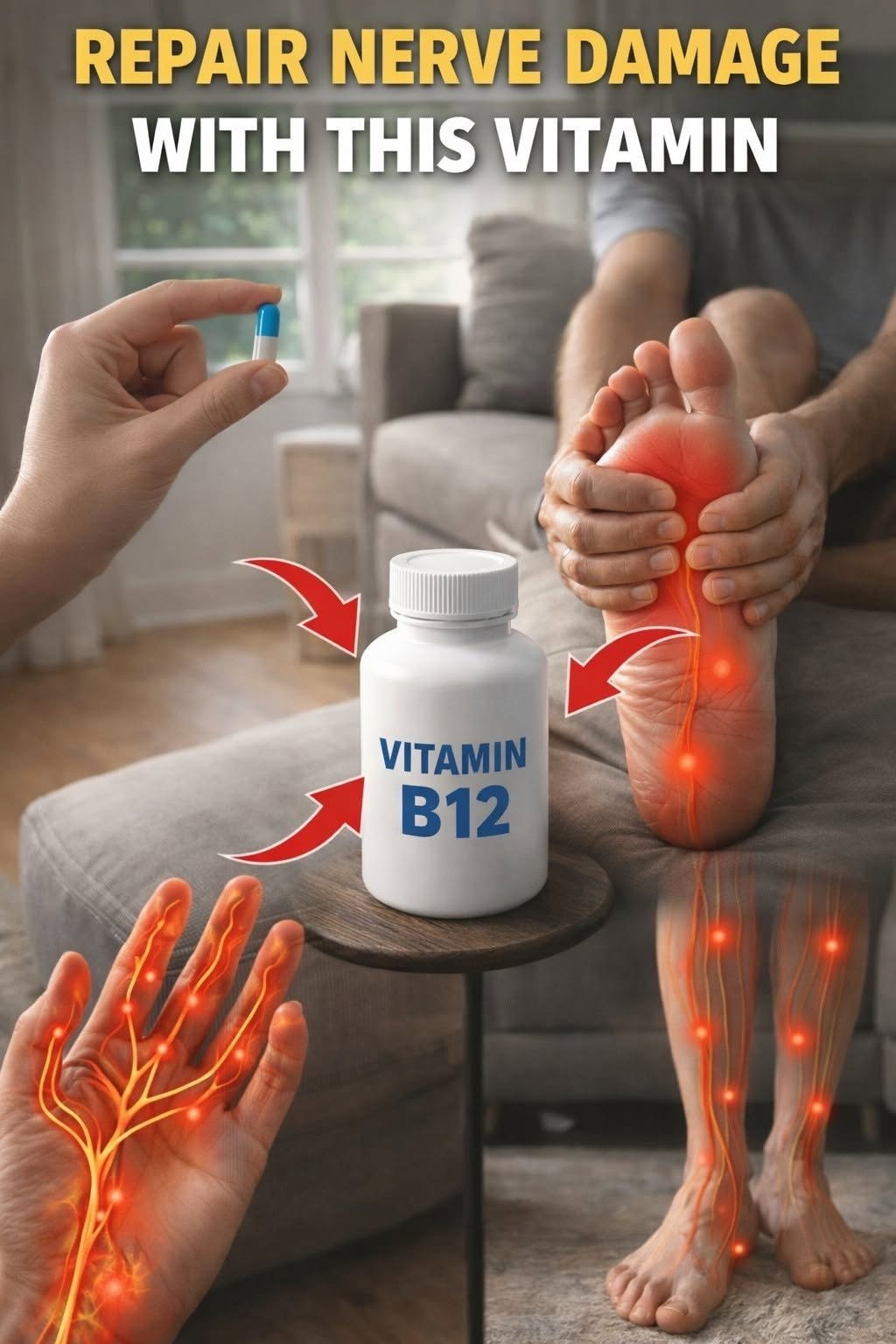
Peripheral neuropathy is a condition that affects the nerves outside of the brain and spinal cord, often causing symptoms such as pain, numbness, tingling, and weakness in the limbs. One of the most effective ways to support nerve health, particularly in the case of peripheral neuropathy, is through vitamin B12.
Vitamin B12, also known as cobalamin, is a water-soluble vitamin that plays a crucial role in nerve function, the production of red blood cells, and DNA synthesis. Unfortunately, B12 deficiency is a common cause of peripheral neuropathy, and if left untreated, it can lead to nerve damage and worsening symptoms.
In this article, we’ll explore how vitamin B12 supports nerve health, its link to peripheral neuropathy, and how you can ensure you’re getting enough of this essential nutrient to prevent nerve damage and support overall neurological health.
1. How Vitamin B12 Supports Nerve Health
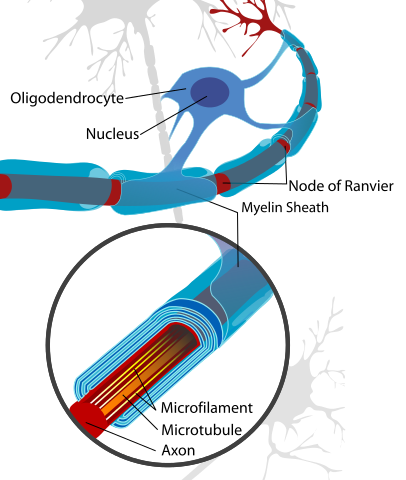
Vitamin B12 is essential for the healthy functioning of the nervous system. It plays a key role in maintaining the protective covering of nerves, known as the myelin sheath. The myelin sheath is a fatty layer that surrounds and protects nerve fibers, ensuring efficient nerve signal transmission. Without enough B12, this sheath can break down, leading to nerve damage and peripheral neuropathy.
Why It Works:
- Supports Myelin Sheath Production: Vitamin B12 is necessary for the production of the myelin sheath, which is vital for nerve signal transmission. Without it, nerve signals slow down or fail to reach their intended destination.
- Regulates Nerve Function: B12 plays a role in protein synthesis and metabolism, which are crucial for maintaining the health of nerve cells.
- Prevents Nerve Damage: By supporting nerve regeneration and function, B12 helps prevent the degeneration of nerve fibers, a hallmark of peripheral neuropathy.
2. Vitamin B12 Deficiency and Peripheral Neuropathy
A B12 deficiency can be one of the leading causes of peripheral neuropathy. If your body lacks sufficient vitamin B12, it can’t produce enough myelin to protect your nerves, leading to nerve damage and the development of neuropathy symptoms.
Common Symptoms of Peripheral Neuropathy Due to B12 Deficiency:
- Numbness and tingling in the hands, feet, or legs
- Burning or sharp pain in the limbs
- Muscle weakness
- Balance problems and difficulty walking
- Sensitivity to touch
- Loss of reflexes
Causes of Vitamin B12 Deficiency:
- Dietary Deficiency: Since B12 is primarily found in animal products, people who follow a vegan or vegetarian diet are at higher risk of deficiency.
- Malabsorption: Certain conditions like Crohn’s disease, celiac disease, or gut surgeries can affect the body’s ability to absorb vitamin B12.
- Age: As we age, our ability to absorb vitamin B12 decreases. Older adults are at a higher risk of deficiency.
- Medications: Certain medications, like proton pump inhibitors (PPIs) and metformin, can interfere with B12 absorption.
3. How to Get Enough Vitamin B12 to Prevent Neuropathy
If you’re concerned about peripheral neuropathy or suspect you might have a vitamin B12 deficiency, it’s important to ensure you’re getting enough of this nutrient through diet or supplementation.
1. Dietary Sources of Vitamin B12:
- Animal Products: Vitamin B12 is naturally found in meat, poultry, fish, eggs, and dairy products. Eating these foods regularly can help maintain sufficient B12 levels.
- Fortified Foods: If you’re following a plant-based diet, consider consuming B12-fortified foods, such as fortified cereals, plant-based milk (soy, almond, etc.), and nutritional yeast.
2. Vitamin B12 Supplements:
For individuals who struggle to get enough vitamin B12 from their diet, B12 supplements can be an effective way to meet their daily requirements. Supplements come in the form of:
- Oral tablets (including chewable and sublingual forms)
- Injections (often prescribed to those with severe deficiency or absorption issues)
- B12 sprays and lozenges
3. Recommended Daily Intake of Vitamin B12:
- Adults: 2.4 micrograms per day
- Pregnant women: 2.6 micrograms per day
- Breastfeeding women: 2.8 micrograms per day
If you are over 50, you may have a higher risk of B12 deficiency and should consider discussing supplementation with your healthcare provider.
4. Vitamin B12 and Its Role in Preventing Nerve Damage
Vitamin B12 plays a direct role in preventing nerve damage by supporting the myelin sheath and reducing inflammation in the nervous system. As we age, the risk of B12 deficiency increases, making it essential to maintain adequate levels of this vitamin to protect against peripheral neuropathy and other neurological conditions.