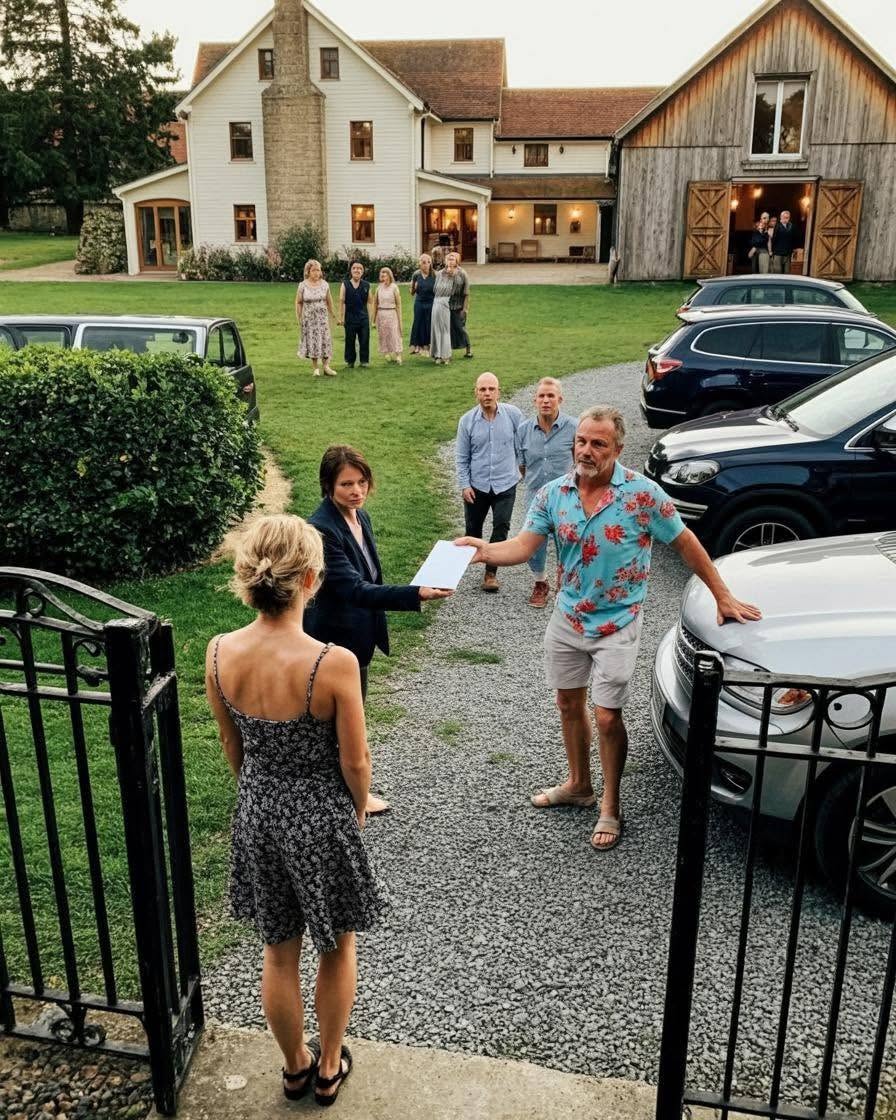
The farm was useful to them when she needed something, but as soon as it was bequeathed to someone else, it became something that had been denied them. It's a line of reasoning I recognize, but one I've never truly understood. Derek made several pertinent points about fairness and about how I had positioned myself to receive the inheritance by being the one who arrived, as if his presence were a strategy rather than a choice. I didn't argue with him. I had come to understand, in the meantime, that arguing with Derek was a form of exchange he was always better prepared for than I was, because he approached every conversation as a competition, while I, despite everything, still tended to see them as just conversations.
The lawyer in charge of the estate and I remained silent and I returned to the farm.
The idea of transforming the place into a reception hall didn't come to me all at once. It appeared like most good ideas: unexpectedly and fortuitously, usually right in the middle of a completely different project. I was repainting the inside of the barn in April, working from the top of a ladder.